

Suspected cancer: recognition and referral
The NICE guidance on Suspected Cancer: recognition and referral which covers children, young people and adults has been updated. It contains a helpful list of red flag symptoms in children and young people which paediatric physiotherapists may find helpful
Suspected sepsis in under 16s: recognition, diagnosis and early management
Nice guidance has been published on Suspected sepsis in under 16s: recognition, diagnosis and early management. It contains information on susceptible groups, early signs in different age groups of babies, children and young people and management.
https://www.nice.org.uk/guidance/ng254
Rehabilitation for Chronic Neurological Disorders Including Traumatic Brain Injury guidelines

This includes guidance for children and young people. Guidance is included on commissioning rehabilitation services, providing holistic rehabilitation services, managing pain and fatigue with reference to physical activity and exercise and much more https://www.nice.org.uk/guidance/NG252
NICE guidelines for rehabilitation for chronic neurological disorders (NG252)
Overview of the Guideline
The NICE guideline NG252, published in October 2025, sets out recommendations for rehabilitation across all settings for children, young people, and adults living with chronic neurological disorders. These include acquired brain injury (ABI), spinal cord injury, peripheral nerve disorders, functional neurological disorders (FND), and progressive neurological diseases. Cerebral palsy, dementia, epilepsy, and adult stroke rehabilitation are not included due to guidelines already being in existence for these conditions. Throughout NG252 we refer to and acknowledge previous NICE publications e.g. ‘Assessment and early management of head injury’, ‘Rehabilitation after traumatic injury’, ‘Spinal injury: assessment and initial management’, and ‘Transition from children’s to adults’ services’.
The guidelines emphasis on holistic, family-centred care and lifelong support is a major step forward. It includes comprehensive recommendations for how rehabilitation should be designed, commissioned and delivered and promote standardised rehabilitation delivery across England, person-centred, holistic, and lifelong care.
Many would say this guideline is long overdue given the expanding population we are seeing in the UK who fall into this category. We sincerely hope that this guideline will help providers of care, users and service commissioners.
Key recommendations for rehabilitation for children and young people (CYP)
1. Integrated, Child- and Family-Centred Care
- Rehabilitation should be coordinated across health, education, and community services.
- Families should be actively involved in goal-setting and care planning.
- Parents, families and carers should be actively supported, provided with help to understand ongoing impact of the condition, rehabilitation process and services available
2. Single point of contact and case management
- Single point of contact/key worker across organisational boundaries is recommended to help families navigate complex systems.
- Recommends case manager for those with complex needs requiring sustained support and coordination of rehabilitation
- Support for identification of needs, signposting, managing ‘invisible’ symptoms, ensuring continuity of care
3. Holistic Needs Assessment and Support
- Assess physical, cognitive, emotional, and social needs, including communication and participation in education.
- Consider environmental adaptations and assistive technology early to prevent delays.
4. Early Identification and Lifelong Support
- Rehabilitation needs should be considered as early as possible after diagnosis or injury.
- Recognition of the complex developmental impact of neurological disorders.
- Recommends ongoing access to services throughout childhood and adolescence, recognising that needs may fluctuate, change or emerge.
- Reducing long-term inequalities through earlier intervention and lifelong support.
5. Multidisciplinary Approach
- CYP should have access to rehabilitation teams that include physiotherapists, occupational therapists, speech and language therapists, psychologists, teachers, and social workers.
- Joined-up care across sectors
- Collaboration with voluntary and community organisations is encouraged to provide local support.
6. Equity and Consistency
- Draws on pre-existing guidance on transition to adult services, emphasising the importance of seamless planning across health, social care and education to avoid gaps.
- Recommends proactive planning, information sharing, named contacts and regular reviews to adapt as required.
- Seeks to end unwarranted variation in service provision.
- Calls for workforce development and capacity-building to address skills gaps in neurorehabilitation workforce.
Paediatric Physiotherapy-Specific Recommendations
The guidance advocates enabling participation, independence, and quality of life through evidence-based interventions, integrated care, and family-centred practice. The lack of published evidence for rehabilitation interventions for under 18’s is recognised within the guideline. Where there was evidence within the adult literature that the committee agreed could be applied across all age groups this was used and recommendations were also made using committee consensus opinion. Using a lifespan approach, the recommendations recognise the importance of rehabilitation interventions being age appropriate, supporting educational and social participation and delivered as part of an integrated care pathway, coordinated across hospital, community, and education settings. The following physiotherapy specific interventions are highlighted:
· Physical activity and exercise
- Recognises differences in approach between conditions e.g. functional neurological disorder
· Stability, mobility and limb function
- Goal-oriented, activity-based therapy.
- Functional activity including task-based training – practising real-life activities to improve independence.
- Gait training – with or without body weight support
- Balance exercises, including core stability and perturbation-based balance training
- 24-hour postural management strategies – including seating, lying, and standing programmes to prevent contractures and maintain alignment.
- Hydrotherapy and robotics – where available, to enhance engagement and outcomes.
- Electrical stimulation – considered in addition to strengthening and functional activities
- Prevention of secondary complications (e.g., fatigue, pain, musculoskeletal issues).
The guideline makes the following recommendations for practice:
- Use structured frameworks for motor, sensory, and functional evaluation.
- Include participation measures (home, school, community) to capture real-life impact.
- Document goals and progress in a shared care plan.
- Educate families on home-based strategies and safe handling.
- Support smooth transitions between acute care, ward, and community settings.
- Ensure continuity of therapy plans and equipment provision at discharge.
- Advocate for equity—highlight gaps in provision and escalate where needed.
- Engage in workforce development to maintain advanced skills in paediatric neurorehabilitation.
Challenges:
Implementation will require significant investment to build workforce capacity, support workforce training and make the changes to service provision and integration. Physiotherapists should contribute to service planning, audits, and quality improvement to ensure equitable provision nationally.
Opportunities:
If fully adopted, this guideline could transform outcomes for CYP. It recognises that rehabilitation is not a one-off, but lifelong and implementation could reduce long-term inequalities and improve quality of life.
Reflections on being a topic advisor (CYP) on the guideline committee
Jane and I were both topic advisors for CYP on this committee. We have had the privilege of working with an incredible team of thirty-six colleagues that included representatives of
every rehabilitation profession, general practice, social care, case management, lay representatives with lived experience and colleagues from NICE. This is one of the largest guidelines ever published by NICE and now holds the record for the longest running committee with it taking thirty-eight full day meetings over four years to get it over the line. The rigour that goes into producing a guideline like this should not be underestimated. There were numerous systematic reviews conducted to review the evidence for each area. The NICE team did a phenomenal job in conducting the reviews and summarising the evidence for the committee, who then spent hours in (and between) meetings reviewing and debating this, crafting the recommendations, identifying the gaps in evidence, making consensus recommendations where the evidence is lacking and writing recommendations for future research.
The role of topic advisor is to provide expert knowledge and act as a source of clinical advice to the guideline chair and NICE staff. It includes assisting with queries, contributing to discussions at the committee meetings and quality assuring the content of the guideline.
As a clinical academic paediatric physiotherapist specialising in acute neurorehabilitation and completing my PhD which focused on the needs of CYP with ABI, I was able to share my knowledge of interventions, service provision and research, but more importantly advocate for the specific needs of children and young people and their families. There were only four of us that worked specifically in children’s services and between us, our contributions often focused on ensure that every recommendation was inclusive of the needs of children and young people.
The dearth of high-level evidence for child-specific rehabilitation interventions that NICE could include was sobering. Where we could, adult evidence that was applicable for children and young people and committee consensus opinion was used - a bonus of the guideline being across the lifespan! Moving forwards, there are numerous research recommendations within the guideline to be addressed – there is much to do. We also need to strengthen methodology and health economics in rehabilitation research to ensure strong recommendations can be made by NICE in the future.
Overall, we would strongly recommend anyone interested to get involved in such a process – you will not regret it!
We hope that this guideline will be a catalyst for change. The focus on an inclusive, lifespan approach, the need for a single point of contact/key worker/case manager, integration of physical and mental health and neuropsychological needs and cross-boundary coordination of service provision is what we as clinicians know is needed. The challenge of implementing and delivering the recommendations in the current resource constrained environment is huge. Change won’t be quick - we need to be innovative and creative and work with commissioners to advocate for our patients and families. However, this guideline provides a starting point and the evidence to support service development and redesign to ensure people of all ages with chronic neurological disorders have access to rehabilitation support whenever they need it.
Pneumonia: diagnosis and management
This guideline is for babies >1 month of age, children, young people and adults. It aims to covers diagnosing, assessing, and treating community-acquired and hospital-acquired pneumonia, and optimise antibiotic use and reduce antibiotic resistance. https://www.nice.org.uk/guidance/ng250
NEW NICE GUIDANCE PUBLISHED - Disabled children and young people up to 25 with severe complex needs: integrated service delivery and organisation across health, social care and education (NG213)
APCP NEWS - 09 March 2022
This guideline covers support for disabled children and young people with severe complex needs, from birth to 25 years. It aims to encourage education, health and social care services to work together and provide more coordinated support to children and young people, and their families and carers.

NEW NICE GUIDANCE PUBLISHED - Rehabilitation after traumatic injury (NG211)
APCP NEWS - 18 January 2022
This guideline covers complex rehabilitation needs after traumatic injury for all people, including children and young people.
NEW NICE GUIDANCE PUBLISHED - Social, emotional and mental wellbeing in primary and secondary education (NG223)
APCP NEWS 06 JULY 2022
This guideline covers ways to support social, emotional and mental wellbeing in children and young people in primary and secondary education (key stages 1 to 5), and people 25 years and under with special educational needs or disability in further education colleges. It aims to promote good social, emotional and psychological health to protect children and young people against behavioural and health problems.

NEW NICE QUALITY STANDARD PUBLISHED - Fetal alcohol spectrum disorder (QS204)
APCP NEWS - 16 March 2022
This quality standard covers assessing and diagnosing fetal alcohol spectrum disorder (FASD) in children and young people. It also covers support during pregnancy to prevent FASD. It describes high-quality care in priority areas for improvement.
NEW NICE GUIDANCE PUBLISHED - Myalgic encephalomyelitis (or encephalopathy)/chronic fatigue syndrome: diagnosis and management (NG206)
APCP NEWS - 5 November 2021
NICE ME/CFS guideline outlines steps for better diagnosis and management

NEW NICE GUIDANCE PUBLISHED - Babies, children and young people's experience of healthcare (NG204)
APCP NEWS - 25 August 2021
New guideline from NICE recommends ensuring children and young people are fully informed about their health so that they are empowered to take an active role in their healthcare

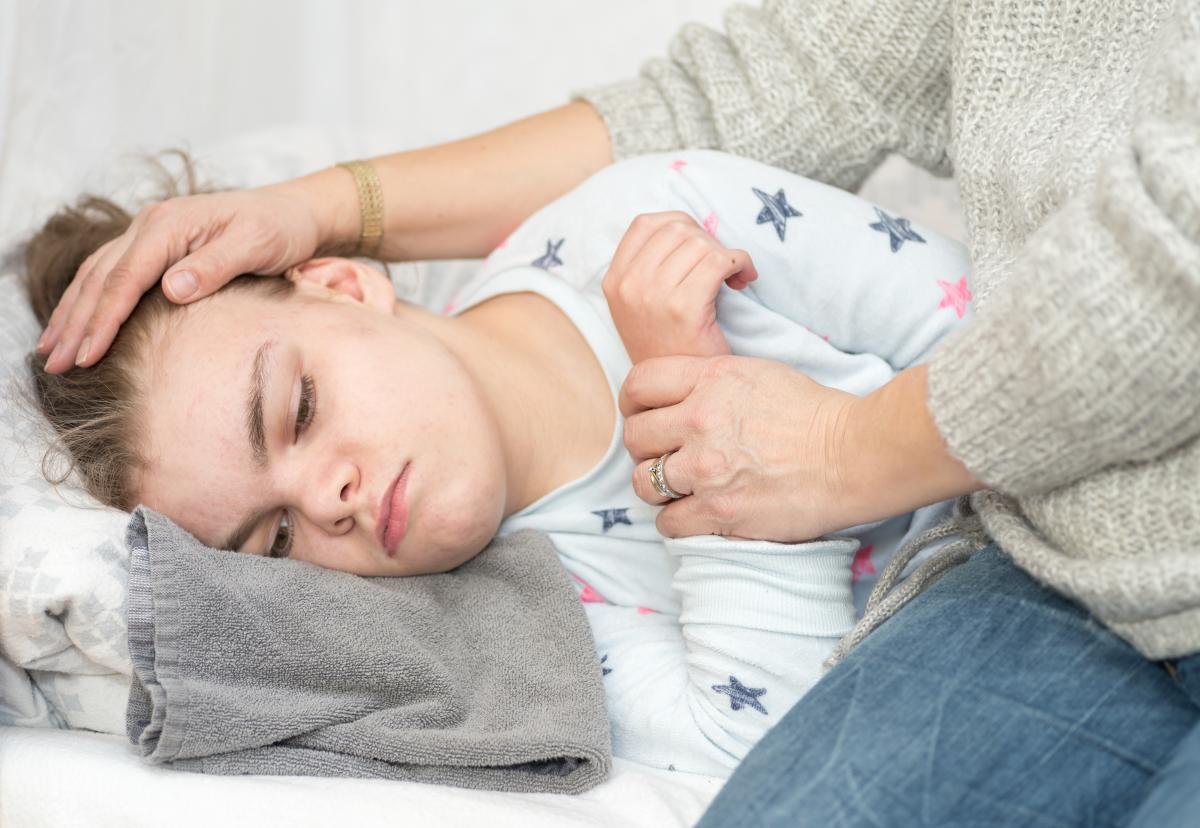
NEW NICE GUIDANCE PUBLISHED - Epilepsies in children, young people and adults
This guideline covers diagnosing and managing epilepsy in children, young people and adults in primary and secondary care, and referral to tertiary services. It aims to improve diagnosis and treatment for different seizure types and epilepsy syndromes, and reduce the risks for people with epilepsy.

NICE Epilepsies in children, young people and adults (update)
Here is a link to the newly published quality standards for the
NICE Epilepsies in children, young people and adults (update).
The full guidance can be seen here
“Transition from children’s to adults’ services - update (QS140)”
There is a newly published update on the quality standards for “Transition from children’s to adults’ services - update (QS140)”. To see these, please go to https://www.nice.org.uk/guidance/qs140
The guidance can be found here
Guideline on Asthma: diagnosis, monitoring and chronic asthma management
NICE have published the new Guideline on Asthma: diagnosis, monitoring and chronic asthma management
which includes management in children and young people. To see the guidance, see the link:
https://www.nice.org.uk/guidance/ng245/chapter/Recommendations#diagnosing-asthma-in-children-under-5

NICE guideline on Overweight and obesity management
This guideline has now been published on the NICE website where you can also find supporting evidence, tools and resources.
Physical activity approaches for children and young people are included (1.15) including for those with special needs, and along with references to physiotherapy, for example:
1.19.5 Ensure interventions: include sustainable ways the person can reduce sedentary behaviour and fit more physical activity into everyday life over the long term (for example, walking) and have a qualified physical activity instructor leading any supervised activity sessions; for example, a physiotherapist
The final guideline includes recommendations for research. There are several which are relevant to children and young people, and NICE recommendations can result in funding for projects:
- some are listed below but for more information go to the website.
- 22 Behavioural interventions for children and young people with special educational needs and disabilities
- 23 Effective approaches for children and young people with special educational needs and disabilities
- 24 Long-term maintenance of weight loss in children and young people
- 25 Encouraging families and carers to engage with interventions
- 26 Encouraging children and young people to engage with interventions
- 27 Barriers and facilitators for participation for children and young people
- 29 Impact of families and carers on outcomes
- 30 Who should deliver interventions for children and young people